
خير الدين التونسي وأطروحته الإصلاحية في تونس
الشريط الجانبي للمقالة
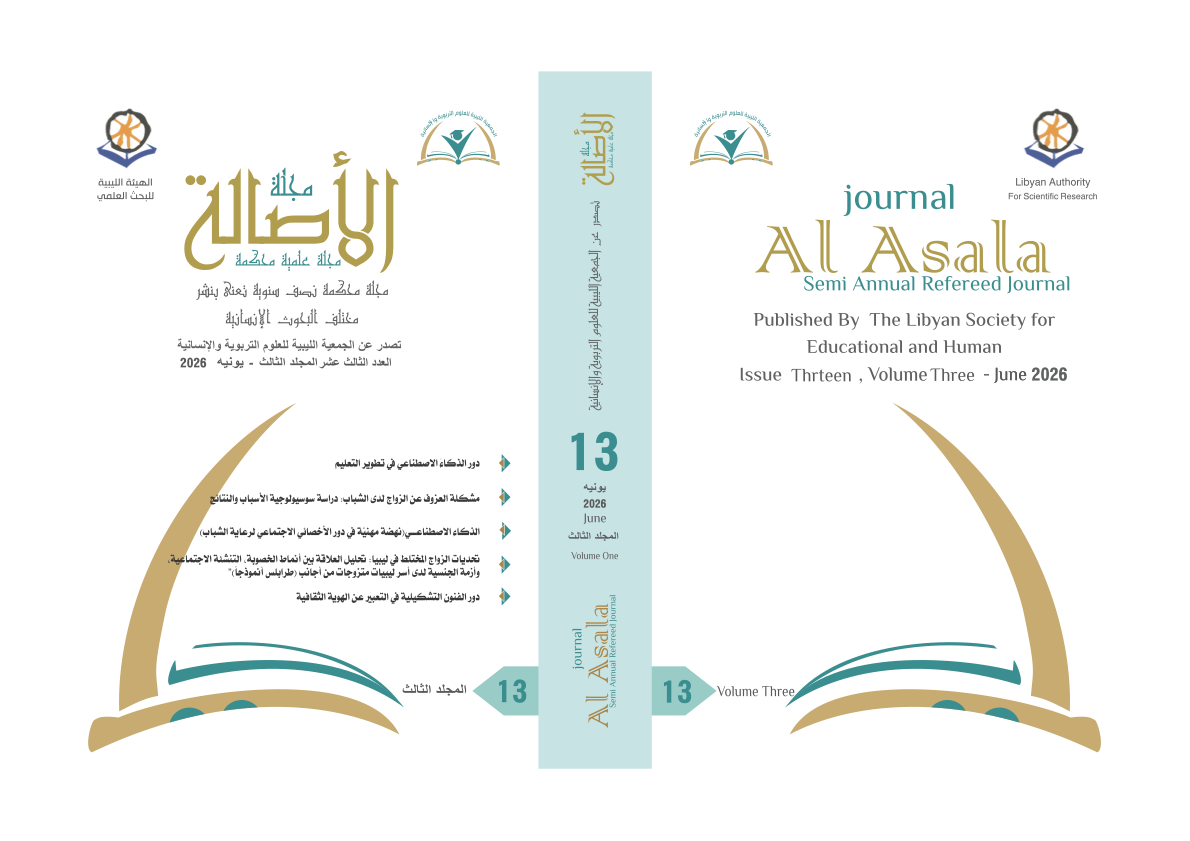
منشور:
ينا 1, 2026
محتوى المقالة الرئيسي
الملخص
يعد خير الدين التونسي (ت 1890م) من أبرز رواد الفكر الإصلاحي في العالم العربي خلال القرن التاسع عشر ، إذ جمع التكوين العلمي التقليدي والتجربة الحديثة . تلقى تعليمه في جامع الزيتونة ، وتأثر بما شهده من نظم التعليم في الأزهر، كما اطلع على النظم الأوربية الحديثة خلال رحلاته إلى فرنسا وغيرها، الأمر الذي أسهم في تشكيل رؤيته الإصلاحية المتكاملة ، وقد عبر عن مشروعه الفكري في كتابه الشهير ( أقوم المسالك في معرفة أحوال الممالك ) الذي وضع فيه أسس الإصلاح الشامل للدولة والمجتمع.
وقد دعا إلى ترسيخ مبدأ الشورى وتنفيذ سلطة الحاكم بالقانون، وإقامة دولة المؤسسات ، كما سعى إلي الإصلاح الاقتصادي، والنظام المالي وتنفيذ الجباية ، وترشيد الإنفاق ، وتشجيع الزراعة والتجارة والصناعة ، وربط الاقتصاد بالإنتاج لا بالإمتيازات ، وعمل على تحديث الجيش التونسي و تنظيمه على الأسس الحديثة ، وتحسين التدريب والتسليح بما يحفظ سيادة الدولة ، كما أنجز إصلاحات ثقافية وتعليمية مهمة ؛ شملت تطوير المناهج في جامع الزيتونة ، وإنشاء المدرسة الصادقية ، التي درس فيها نخبة من رواد الفكر والسياسية ، إضافة إلى تأسيس مكتبة عامة كبرى ، ضم إليها مكتبته الخاصة ، التي احتوت على أكثر من ( 1100 ) كتابٍ ، وكل ذلك في إطار مشروع حضاري شامل هدف إلى تحديث الدولة التونسية، والنهوض بالمجتمع فكرياً وإدارياً وسياسياً.
وقد دعا إلى ترسيخ مبدأ الشورى وتنفيذ سلطة الحاكم بالقانون، وإقامة دولة المؤسسات ، كما سعى إلي الإصلاح الاقتصادي، والنظام المالي وتنفيذ الجباية ، وترشيد الإنفاق ، وتشجيع الزراعة والتجارة والصناعة ، وربط الاقتصاد بالإنتاج لا بالإمتيازات ، وعمل على تحديث الجيش التونسي و تنظيمه على الأسس الحديثة ، وتحسين التدريب والتسليح بما يحفظ سيادة الدولة ، كما أنجز إصلاحات ثقافية وتعليمية مهمة ؛ شملت تطوير المناهج في جامع الزيتونة ، وإنشاء المدرسة الصادقية ، التي درس فيها نخبة من رواد الفكر والسياسية ، إضافة إلى تأسيس مكتبة عامة كبرى ، ضم إليها مكتبته الخاصة ، التي احتوت على أكثر من ( 1100 ) كتابٍ ، وكل ذلك في إطار مشروع حضاري شامل هدف إلى تحديث الدولة التونسية، والنهوض بالمجتمع فكرياً وإدارياً وسياسياً.
تفاصيل المقالة
كيفية الاقتباس
جولق خ. ا. خ. (2026). خير الدين التونسي وأطروحته الإصلاحية في تونس. مجلة الاصالة, 3(13), 380–393. استرجع في من https://alasala.alandalus-libya.org.ly/ojs/index.php/aj/article/view/1663
القسم
المقالات

هذا العمل مرخص بموجب Creative Commons Attribution 4.0 International License.